9 common dishwasher problems and how to fix them

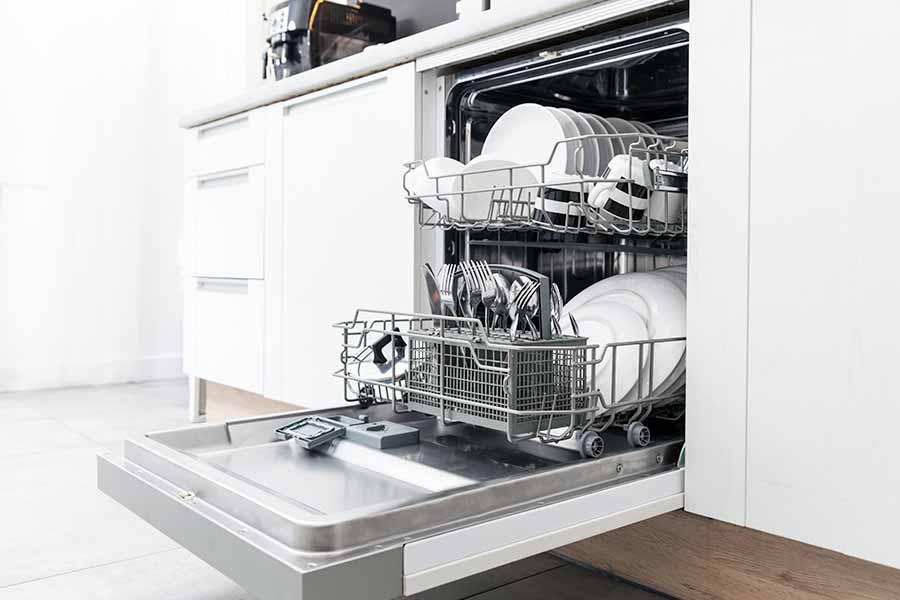
A fully loaded dishwasher that has just finished cleaning the dishes inside.
 

From leaks to cold water and noisy machines, we’ve broken down what might be going wrong with your dishwasher.

If your dishwasher is acting up, there might be a simple fix that saves you from the horrors of hand washing.


Table of contents

  1. 1. Dishwasher leaking
  2. 2. Dishwasher not filling with water
  3. 3. Dishwasher not draining properly
  4. 4. The dishes are still dirty
  5. 5. Dishwasher detergent dispenser not working
  6. 6. Noisy dishwasher
  7. 7. The dishwasher isn’t drying properly
  8. 8. The dishwasher won’t start
  9. 9. Smell coming from the dishwasher
  10. Get help with plumbing and drainage problems

1. Dishwasher leaking

Dishwasher leaks can be worrying, but in many cases, they’re caused by fairly simple issues that are easy to spot.

If you’ve noticed water pooling around your dishwasher, it’s worth checking the following common causes before assuming there’s a serious fault:

  • Too much detergent: Make sure you’re not overloading on detergent. A soapy residue in the detergent tray will indicate that you’re being a bit too generous with your cleaning solution.
  • Properly stacked dishes: Are your dishes stacked properly? Overloading or poor stacking could be at the root of the problem. Make sure you don’t cram too much into the machine, and that all items are stacked properly in the trays.
  • Door seal: Is the seal around the door old and worn? If so, check your owner’s manual to find out the correct part number for a replacement seal.
  • Pipe connections: Make sure that the pipe connections at the back of your machine are in good condition and fastened correctly.

In the worst-case scenario, your machine might have corroded at the bottom, in which case the only solution is to replace your dishwasher.

2. Dishwasher not filling with water

If your dishes are coming out dry and dirty, then your machine is not filling with water.

Check under the sink and make sure any water stop valves are fully open. If it is, check your owner’s manual to see whether you can access the water inlet valve. You might find that the valve is clogged up with debris and needs to be cleared out.

If you’re still having some trouble with your machine, we recommend calling in a professional appliance engineer.

3. Dishwasher not draining properly

It’s normal for a small amount of water to be left in the bottom of the dishwasher after a wash. However, if there’s more water than usual and it’s starting to concern you, it’s worth checking some common causes:

  • Drain hose damage: Inspect the drain hose for any cracks, kinks, or splits that could be stopping water from draining away properly.
  • Blocked drains: A blockage in the dishwasher filter or the household drain it connects to can prevent water from draining as it should.

If neither of these seems to be the issue, the problem may lie with the pump. In this case, check your owner’s manual for guidance on whether the pump assembly can be replaced or whether it’s best to get professional help.

4. The dishes are still dirty

If your dishes are still coming out dirty after a wash cycle, the issue is often something simple. It’s usually related to how the dishwasher is being used rather than a major fault.

Start by checking that the dishwasher is running through its full cycle. If it’s stopping partway through, the problem may be mechanical and could require professional attention.

If the cycle completes but your dishes are still dirty, there are a few common things to look out for:

  • Improper loading: Dishes should be loaded with the dirty side facing downwards and towards the spray arms. Avoid overloading the machine or stacking items too closely together, as this can block water and detergent from reaching everything properly.
  • Blocked spray arms or filters: Food particles can build up in the spray arms or filters, reducing water flow, so make sure to check for clogs.
  • Detergent issues: Make sure the detergent cup opens properly during the wash. Using too much detergent can also leave dishes streaky or cloudy over time, while using the wrong type may reduce cleaning performance. Always follow the instructions on the packaging to avoid this happening.
  • Water temperature: If the water isn’t hot enough, the dishwasher won’t be able to clean effectively. Check that your water temperature is set correctly.
  • Wrong wash cycle: Quick or eco cycles may not be powerful enough for dishes that are really dirty. For baked-on food or greasy loads, a normal or heavy-duty cycle is usually more effective.
  • Hard water: In hard water areas, mineral deposits can leave dishes looking dull or stained. Using dishwasher salt can help improve results.

If you’ve checked all of the above and your dishes are still coming out dirty, it may be time to speak to an expert appliance engineer to take a closer look.

5. Dishwasher detergent dispenser not working

The detergent dispenser is designed to hold the tablet or powder in place and release it at the right point in the wash cycle. If it isn’t working properly, the detergent may not be released at all, which can leave your dishes coming out dirty.

If you think the dispenser might be the problem, there are a few things you can check:

  • Look for a buildup of detergent: Powder or tablet residue can build up inside the dispenser and stop it from opening properly. Cleaning this out may help restore normal operation.
  • Check how detergent is stored: Powdered detergent can clump if it’s exposed to air or moisture. Storing it in an airtight container can help it dissolve more effectively during the wash.
  • Check the water temperature: Detergent needs warm water to dissolve properly. If the water temperature is too low, the detergent may not activate as it should.
  • Make sure racks aren’t blocking the dispenser: Poorly positioned racks or large items can prevent the dispenser door from opening. Try rearranging the load, so the dispenser has a clear path.

If the dispenser is damaged, stuck closed, or not sealing properly, it may need to be replaced. While it’s possible to remove and fit a new dispenser by taking off the dishwasher’s front panel and unclipping the connections, this can be fiddly, especially with built-in models. In these cases, it’s often best to speak to a qualified appliance engineer to carry out the repair safely.

6. Noisy dishwasher

Some noise during a wash cycle is normal, but if your dishwasher suddenly becomes louder than usual, check the following causes:

  • Poor loading: Overloading the dishwasher or stacking items so they knock into each other can cause clanking or rattling noises. Make sure dishes aren’t blocking the spray arms and are spaced out properly.
  • Objects inside the machine: Loose cutlery, fruit stones, or food debris can get trapped and create noise. Check the inside of the dishwasher when it’s switched off and remove anything that shouldn’t be there.
  • Blocked spray arms or filters: Clogged spray arms can cause grinding sounds. Clean them regularly to ensure they spin freely.
  • Uneven placement: If the dishwasher isn’t level, it can cause thumping or banging noises during the cycle. Vibrations can also transfer noise to nearby cabinets, so consider adjusting the dishwasher’s position or adding insulation to help reduce the sound.
  • Worn or faulty parts: Grinding, squealing, or loud humming noises may indicate an issue with the pump, motor, bearings, or seals.

If the noise continues after checking the above, it’s best to call a qualified appliance engineer to inspect the dishwasher and carry out any necessary repairs safely.

7. The dishwasher isn’t drying properly

If your dishes are coming out wet after a wash, it’s often due to how the dishwasher is being used rather than a fault. Check the following common causes:

  • Wrong wash cycle: Eco or quick cycles may not use enough heat to dry dishes properly. Try a normal or intensive cycle instead.
  • Poor loading: Items stacked too closely together can trap water. Leave space between dishes, so air can circulate.
  • Rinse aid levels: Low or empty rinse aid can prevent water from draining off dishes effectively. Top it up if needed.
  • Plastic items: Plastic doesn’t retain heat like glass or ceramic, so it’s more likely to stay wet after a cycle.
  • Door opened too late: Opening the door shortly after the cycle finishes can help steam escape and improve drying.

If your dishwasher still isn’t drying properly after checking these points, there may be an issue with the heating element or fan, which should be looked at by a professional.

8. The dishwasher won’t start

If your dishwasher won’t start at all, it can be frustrating, but the cause is often straightforward. Check the following before calling for help:

  • Power supply: Make sure the dishwasher is switched on at the socket and hasn’t tripped the fuse box.
  • Door not fully closed: Dishwashers won’t start unless the door is securely shut. Check for obstructions or a faulty latch.
  • Delayed start setting: Some models have a delay timer that may be set accidentally.
  • Water supply issues: Ensure the water supply valve is turned on and the hose isn’t kinked.
  • Control panel or programme fault: If buttons aren’t responding or the programme won’t engage, this may indicate an electrical issue.

If the dishwasher still won’t start after checking these basics, it’s best to contact an appliance engineer to diagnose the problem safely.

9. Smell coming from the dishwasher

Unpleasant smells from your dishwasher are usually caused by trapped food, grease, or stagnant water. To tackle the issue, check the following:

  • Dirty filters: Food debris can build up in the filter and cause smells. Remove and clean it regularly.
  • Blocked spray arms: Clogged spray arms can trap residue, leading to odours. Clean them to keep water flowing freely.
  • Standing water: If water isn’t draining properly, it can become stagnant and smell. Check for blockages.
  • Infrequent hot washes: Regular low-temperature cycles can allow grease to build up. Running an occasional hot wash can help.
  • Door seals: Food and moisture can collect around the rubber seals. Wipe them down to prevent smells from forming.

If bad smells persist despite regular cleaning, there may be a drainage or internal fault that needs professional attention.

Get help with plumbing and drainage problems

If your dishwasher issues are linked to blocked pipes or drainage problems, HomeServe can help make sure you don’t get caught out in the future.

With our Plumbing and Drainage Cover, you’ll have access to qualified engineers who can diagnose and fix the issue quickly, helping prevent further damage and disruption.

Share this post

About the author

Proud mother to two boys, an avid DIY-er and interior design fan. Laura is always busy writing about ways to make everyone's lives easier - whether it's the odd how-to guide, life hack or general home inspiration.
Read more

Share this post

About the author

Proud mother to two boys, an avid DIY-er and interior design fan. Laura is always busy writing about ways to make everyone's lives easier - whether it's the odd how-to guide, life hack or general home inspiration.
Read more

Still looking for more help & advice?

Our help & advice articles cover Plumbing, Home heating, Electrical, Energy-saving and Home maintenance.

View all articles