Home heating advice
How to diagnose common central heating problems
28 Oct 2025 • 6 minutes
Home heating advice
28 Oct 2025 • 6 minutes
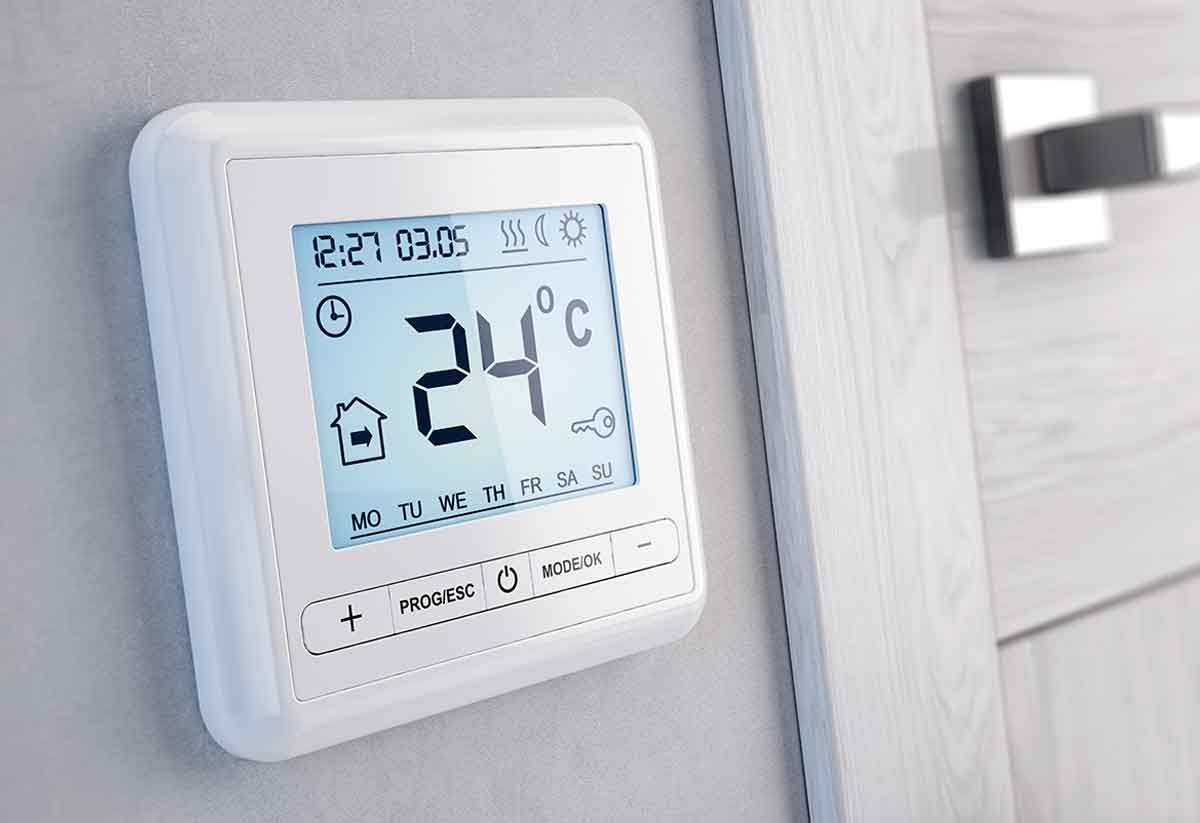
Check that the thermostat hasn’t been set too low. The boiler will only work if the heating has been set higher than the room temperature.
Most heating timers have four settings: Off, On continuously, All day (sometimes called Once), and Timed, which allows the heating to come on multiple times a day. Double-check that the heating is coming on when you want it to and that you haven’t accidentally set it for 4am instead of 4pm.
Check your boiler for fault codes and attempt to reset the boiler using the reset button, this is usually covered in your boiler manual (or we have a handy guide).
Older boilers may have a pilot light which could have gone out. If this is the case, your boiler manual will explain how to re-light it.
If these measures don’t solve the problem, then call in a Gas Safe Registered engineer.

Look at your boiler’s pressure gauge. If it's below 1 bar, the boiler may need repressurising. If the pressure is too high (above 2.5 bars or in the red zone), then it may have switched off to prevent any further damage to the boiler. High and low pressure are a common cause of heating issues.
If it's particularly cold, your condensate pipe may have frozen. This is a common reason boilers stop working during winter.

If you have a feed and expansion cistern in the loft—it could be empty.
If the cistern is dry, gently tap the ball valve to encourage water to flow into the tank. The water should rise just enough to lift the ball valve. Don’t overfill the tank, as there must be room for the water to expand.
Once the cistern has filled, you'll need to bleed the affected radiators. Check the overflow for the next couple of days to ensure the ball valve is working correctly. If it’s dripping, get in touch with a professional plumber to check and replace as necessary.
If you don’t have a feed and expansion system, it’s time to call a heating engineer.
If your downstairs radiators are failing to heat up, then try turning the upstairs radiators off using the radiator valves. If the problem continues, then there’s a good chance your pump is broken or on its way out, and there may be air in the system (an “air lock”). You’ll need to call in a plumber to fix this.
Remember, cold radiators could lead to frozen or burst pipes in winter, so they need to be tackled quickly.
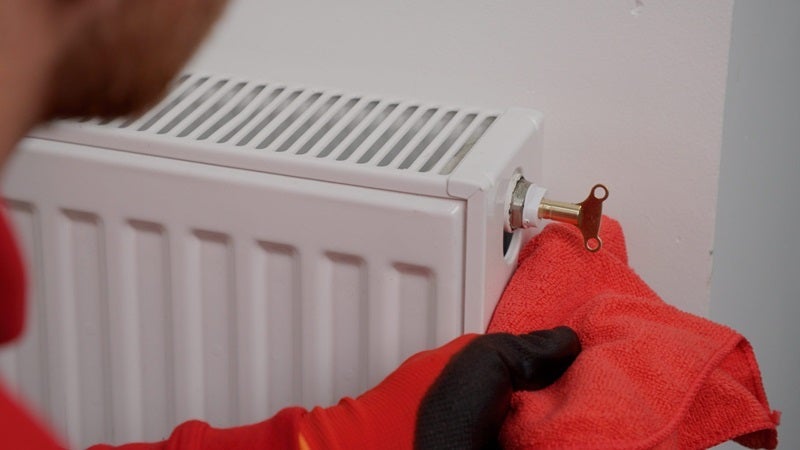
This likely means there’s air in the system, so you’ll need to bleed the radiator to release the trapped air.
This may mean a build-up of rust or sludge is obstructing the flow of water through the radiator. Use a central heating system cleaner appropriate for your system type (open vented or sealed). Cleaning your heating system can be a big job, so if in doubt, get a professional plumber out.
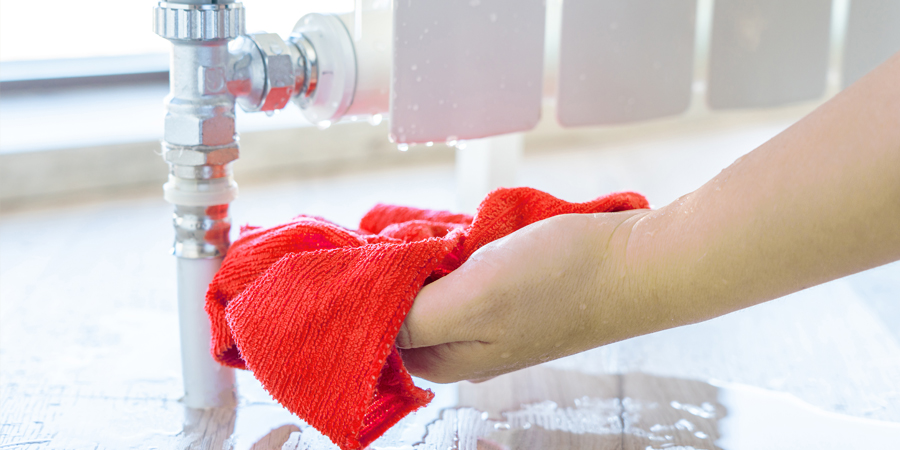
When you have one or more leaking radiators, there are some actions you can take before the problem escalates. A pinhole leak on a radiator can be a sign of internal corrosion. This can happen when debris that collects during installation isn’t properly removed (and this can be within weeks of a system being fitted) or because of air being drawn into the system.
To fix the problem, try the following:
In some cases, it’s likely there’s air in the system and not just an individual radiator. You can tell when this is happening because some or all your radiators may be cold when the heating is on.
Leaky pipes are a nuisance and can grow into bigger problems if left unchecked.
If water is leaking from a connection or joint, then it should be easy to tighten the joint with a spanner or wrench. However, if the joint has been soldered, you won’t be able to tighten it, and the pipe may need replacing.
If the pipe is leaking from a section that has no joint or connection, then the pipe will need to be replaced. A short-term solution is to tie a rag around the pipe or use specialist sealant from a DIY store. You may wish to get a professional plumber to replace the pipe, as it can be a messy and complex job.
If your boiler makes all sorts of odd banging and bumping noises, then there may be a lack of water in the feed and expansion tank. This is usually located in the loft, or if you have a sealed system, it may need repressurising. The gauge should read 1 bar minimum.
Another issue could be a build-up of sludge and scale in your boiler. Air in the boiler can also cause similar banging noises. Don’t try to tackle these problems yourself, call in a Gas Safe Registered professional heating engineer.
Water gurgling noisily through the central heating system is a pretty clear sign that you have air in the radiators. This problem can be easily resolved by bleeding your radiators.
If your boiler turns off repeatedly, checking for a fault code on your boiler display is a good place to start. The boiler could be switching off for several reasons and knowing your fault codes will give you a better idea of what’s wrong.
Potential problems could include:
However, it could also be the result of more complicated problems such as:
In this case, it’s best to call a Gas Safe Registered engineer to inspect and repair the system. If you’re having trouble diagnosing the problem, your boiler manual will contain a list of fault codes and what they mean.
If your boiler and or central heating system is playing up, Ding makes it quick and easy to get it sorted.
Book a trusted, Gas Safe Registered engineer in just a few clicks, at time that suits you. You’ll always get clear, upfront pricing so no need to worry about any hidden costs. Whether it’s a big issue or a quick fix, our expert repair team at Ding is on hand to get things back to normal without the hassle.
Our help & advice articles cover Plumbing, Home heating, Electrical, Energy-saving and Home maintenance.